Every renovation starts with the same basic question: what do we want this space to become? The answer is usually clear. What’s less clear is how to get there what the permit process looks like, what structural work is involved, how the MEP systems need to be updated, and how to make sure the design that looks good on paper actually works in the real building.
At Fast-Build, renovation and remodeling is one of our most active service areas. We’ve completed over 50 renovation projects across the United States kitchen and bathroom remodels, whole-home renovations, commercial building conversions, and large-scale change-of-use projects. Architecture, structural engineering, and MEP design are all in-house, which means the renovation drawings we produce are coordinated, permit-ready, and buildable


Kitchen remodeling is one of the most requested renovation services we handle and one of the most technically involved, even when the scope looks straightforward on the surface.
A kitchen remodel that changes the layout moving walls, relocating appliances, adding an island almost always involves structural work and MEP modifications. Load-bearing walls need to be assessed and, if removed, replaced with properly engineered beams.
Plumbing needs to follow the new fixture locations. Electrical needs to be updated for the new appliance loads and code-compliant outlet placement. Ventilation needs to be designed for the new cooking position.
When all of this is handled by separate contractors without coordinated drawings, you get conflicts a beam that lands where the refrigerator was supposed to go, a vent that can’t be routed where the designer assumed. We resolve those conflicts at the drawing stage, before any walls come down.
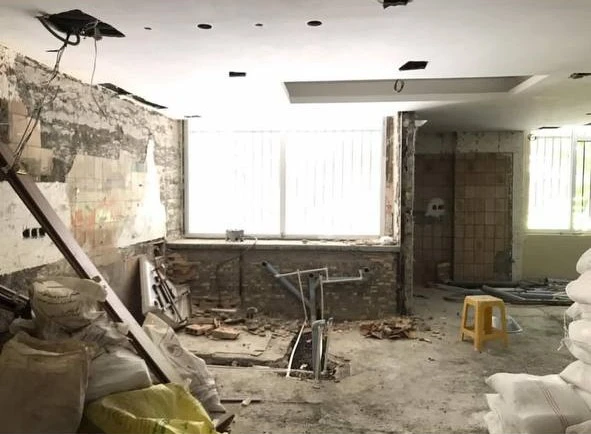 Before
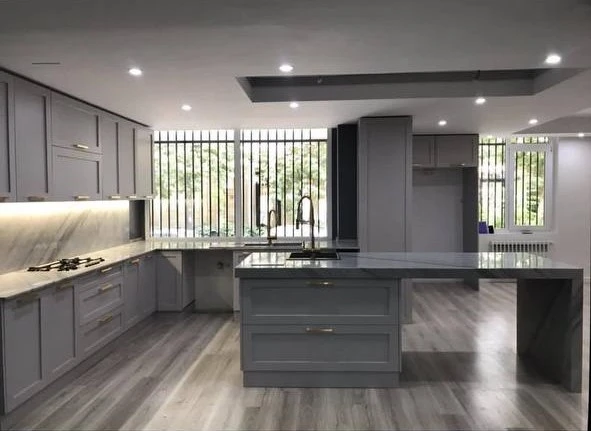 After
After
See examples of our kitchen remodeling work in our project portfolio
Bathroom remodels range from cosmetic updates new tile, new fixtures, same layout to complete gut renovations that relocate everything and reconfigure the space. As soon as plumbing moves, which is most full bathroom remodels, a permit is required.
See examples of our bathroom remodeling work
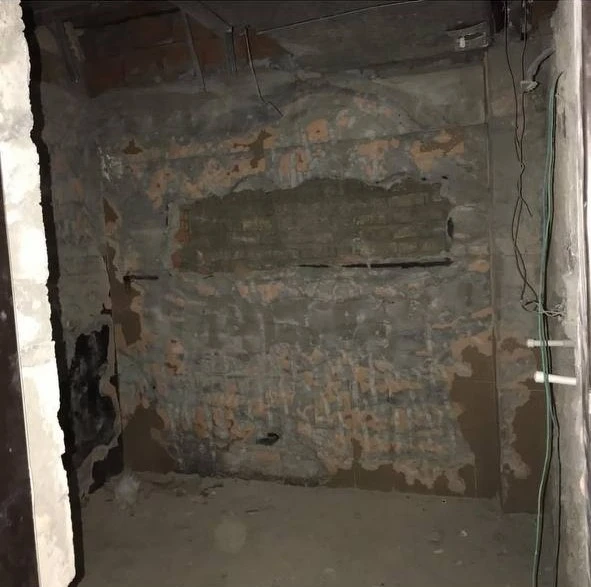 Before
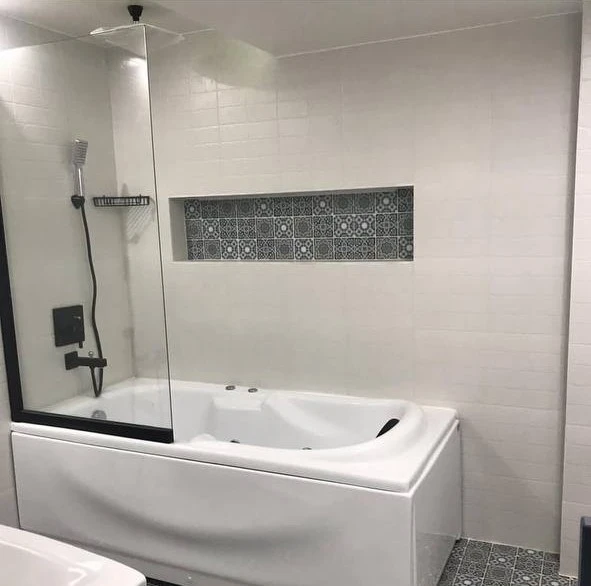 After
After
See examples of our bathroom remodeling work
Some of the most interesting renovation projects we work on involve buildings being transformed into something completely different. Changing a building’s use converting an office to residential, a warehouse to commercial space, an educational facility to hospitality is one of the most technically complex permit processes in construction.
The building code treats a change of occupancy as if the building is being built new for the new use. Egress, structural loads, fire protection, accessibility, and MEP systems all need to be evaluated against the requirements for the new occupancy type.
One of our most substantial renovation projects involved the complete conversion of a former educational facility in Ulster Park, New York into a hostel with pool and spa amenities. The project required a full change-of-occupancy permit, structural analysis of the existing building for the new use, MEP redesign to support the hospitality program, and the addition of pool and spa facilities each with their own structural and MEP requirements.
View the Ulster Park project
Most of our renovation work is in California, where we have the deepest familiarity with local jurisdictions. But we’ve completed renovation and remodeling projects across most U.S. states.
Building codes vary significantly from state to state California’s seismic requirements, New York’s energy codes, Florida’s wind and moisture requirements all shape how renovation drawings need to be prepared. We research the applicable code for each project and build the drawings around it
Renovation permits are often more complex than new construction permits. With new construction, you start from a blank lot. With renovation, you start from an existing building that may have been modified over the years, may have unpermitted work, and may not fully meet current code even before the renovation begins.
Common renovation permit considerations:
We start by understanding what’s there field measurements, existing drawings if available, and a thorough look at the structural and MEP systems. For renovation projects, the existing building is the starting point for everything. Accurate documentation of existing conditions is what prevents the “we didn’t know that wall was load-bearing” conversation mid-construction.
We develop the renovation design in coordination with you floor plan options, structural solutions, MEP system approach, and material direction. Because structural and MEP are in-house, design decisions are made with full knowledge of what’s structurally feasible and what the MEP implications are. You don’t get an architectural concept that later turns out to be unbuildable.
We prepare the full permit drawing set architectural, structural, and MEP coordinated across all disciplines. The set is reviewed for code compliance before submittal.
We submit to the city and manage plan check through approval. During construction, we’re available to answer contractor questions, issue clarifications, and address any field conditions that weren’t visible until demolition began.

Not all, but most. Cosmetic work painting, flooring, cabinet replacements that don’t move plumbing typically doesn’t require a permit. As soon as the scope involves structural changes, MEP modifications, or changes to room configuration, a permit is usually required. We can tell you what your specific project and city requires.
Yes. We regularly coordinate with contractors during both the design and construction phases. If your contractor has questions about the drawings during construction, we’re available to respond.
Yes. We’ve worked on renovation projects across most U.S. states. Requirements vary significantly by jurisdiction and we approach each project based on the applicable local code.
Existing unpermitted work typically needs to be addressed as part of the renovation permit either legalized through as-built drawings or removed.
Both. We handle the full scope from initial design concept through permit approval. Or, if you already have a design from another architect or interior designer, we can prepare the structural and MEP drawings and manage the permit process.
Book a free consultation and get expert guidance on your project, timeline, and permit requirements.
Book a free consultation and get expert guidance on your project, timeline, and permit requirements.
From architectural plans to structural engineering and permit documents, Fast Build can help turn your idea into buildable plans.
Adding {{itemName}} to cart
Added {{itemName}} to cart