
When you’re taking over a commercial space whether it’s a raw shell, a second-generation restaurant, or an office that needs a complete reconfiguration the landlord’s clock starts ticking the moment you sign the lease. Every week spent in permitting is a week you’re paying rent on a space that isn’t open yet.
Tenant improvement projects are time-sensitive by nature. And the fastest way to lose time is to submit an incomplete drawing set and wait for the city to send it back with corrections. Incomplete documentation is one of the most common reasons building permits get rejected, especially for commercial tenant improvement projects.
At Fast-Build, we prepare TI drawing sets that are designed to move. Architecture, structural, and MEP in-house coordinated before submittal, not after the plan checker finds the inconsistencies. We’ve worked on tenant improvements across a range of space types in California and other states: food service, office, retail, healthcare, and specialty commercial.
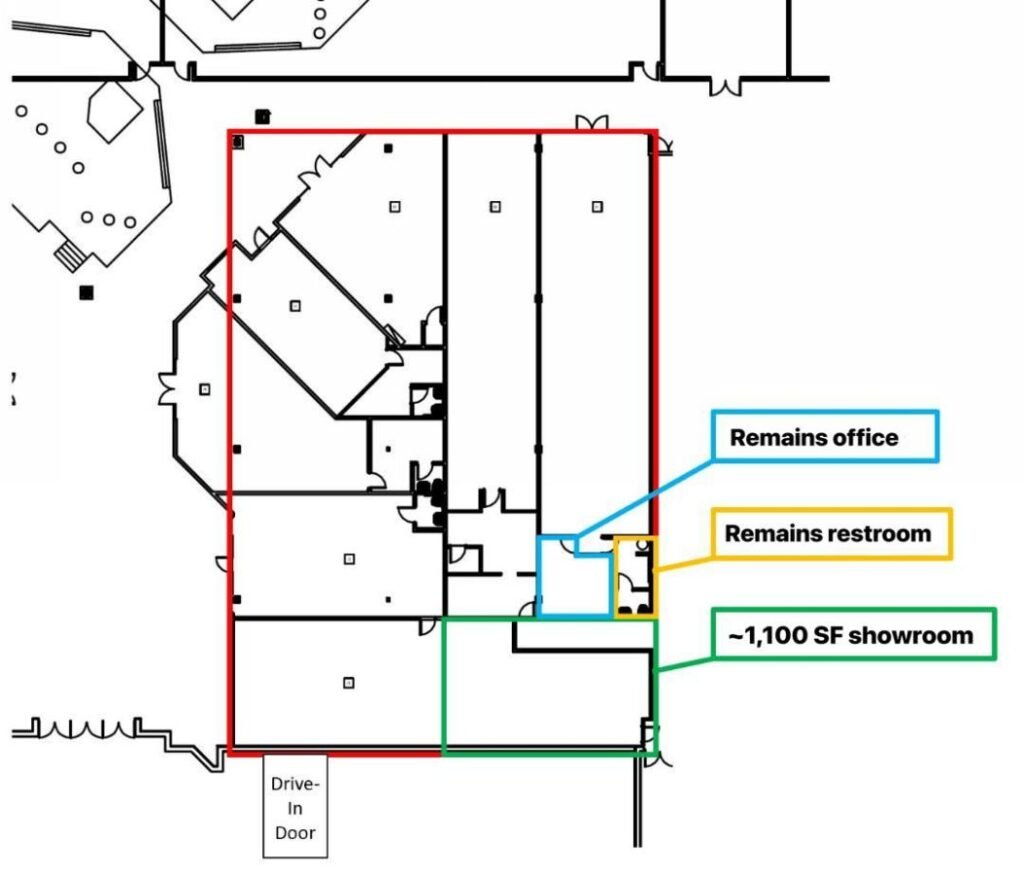
A tenant improvement (TI) is any work done to customize a leased commercial space for a new tenant’s use. Almost any modification that goes beyond cosmetic changes requires a building permit and a permit requires drawings.
Common TI triggers that require permit drawings:
A full occupancy change from convenience retail to food service new kitchen layout, commercial hood exhaust, grease interceptor, updated plumbing, and electrical upgrades. Food service TIs in San Diego involve both building department and health department coordination. We prepared the complete permit package.
Converting an existing retail space to food service? Talk to us about what that permit process looks like.
A new food service tenant improvement in an existing retail shell in Los Angeles. Smaller in scope than a full restaurant conversion, but LA’s plan check process is equally thorough regardless of project size. We prepared the architectural and MEP drawings for the city submittal.
A retail tenant improvement for a specialty medical product showroom, including accessible service counter design, retail display layout, and electrical for product demonstration areas.
A healthcare-adjacent TI with specific requirements for occupancy classification, accessible restrooms, egress, and HVAC for clinical environments. Out-of-state TI projects follow the same preparation approach understand the local code requirements first, then build the drawing set around them.
Working on a healthcare or medical office TI? Here’s how we approach those projects.
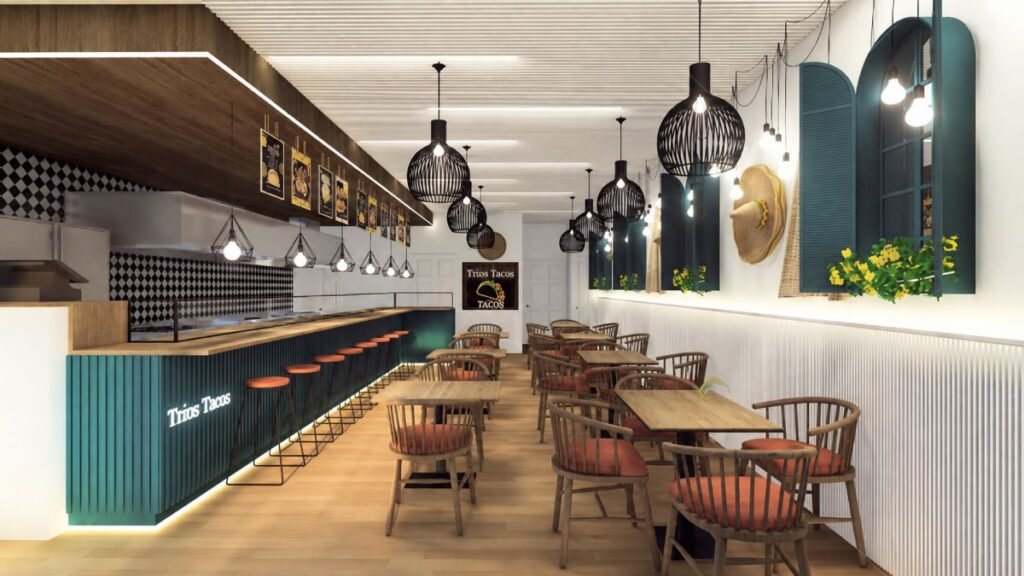
If you’re moving into a space that was previously a different use say, taking over a former retail space for a restaurant the city treats the entire space as if it’s being built for the new use. That means ADA path of travel upgrades, new egress analysis, and MEP systems that meet the requirements for the new occupancy. It’s not just a kitchen permit. It’s a full TI permit.
Most landlords provide a base building plan a floor plan showing the shell space. That’s a starting point, not a permit set. The TI drawings need to show everything being added, modified, or upgraded, coordinated across architectural, structural, and MEP disciplines.
In California, any TI that exceeds a certain cost threshold triggers a requirement to bring the path of travel to the space parking, entrance, restrooms into ADA compliance, up to 20% of the construction cost of the TI. This catches a lot of tenants by surprise.
Restaurant and food service TIs are reviewed by both the building department and the health department. The health department has its own requirements for equipment layout, ventilation, handwashing stations, and surface materials and they review separately from building plan check. The drawing set needs to address both.
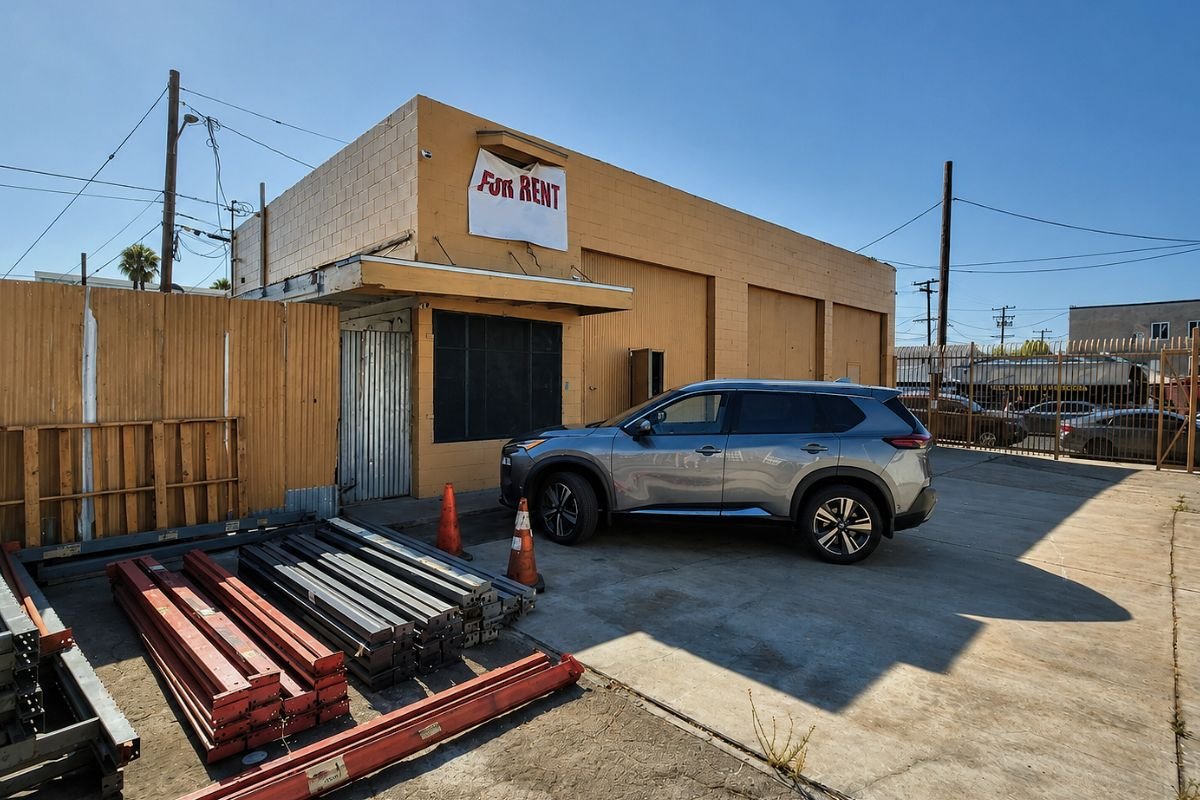
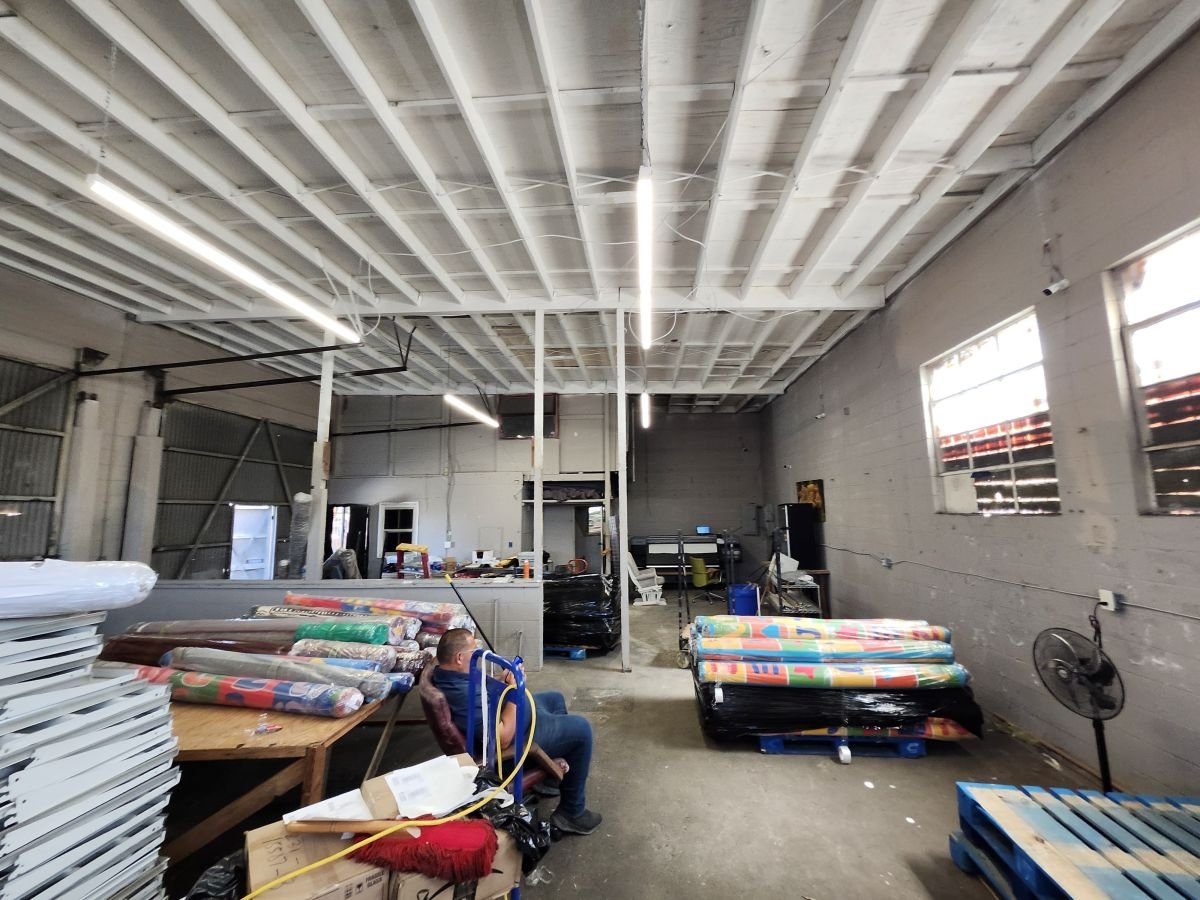
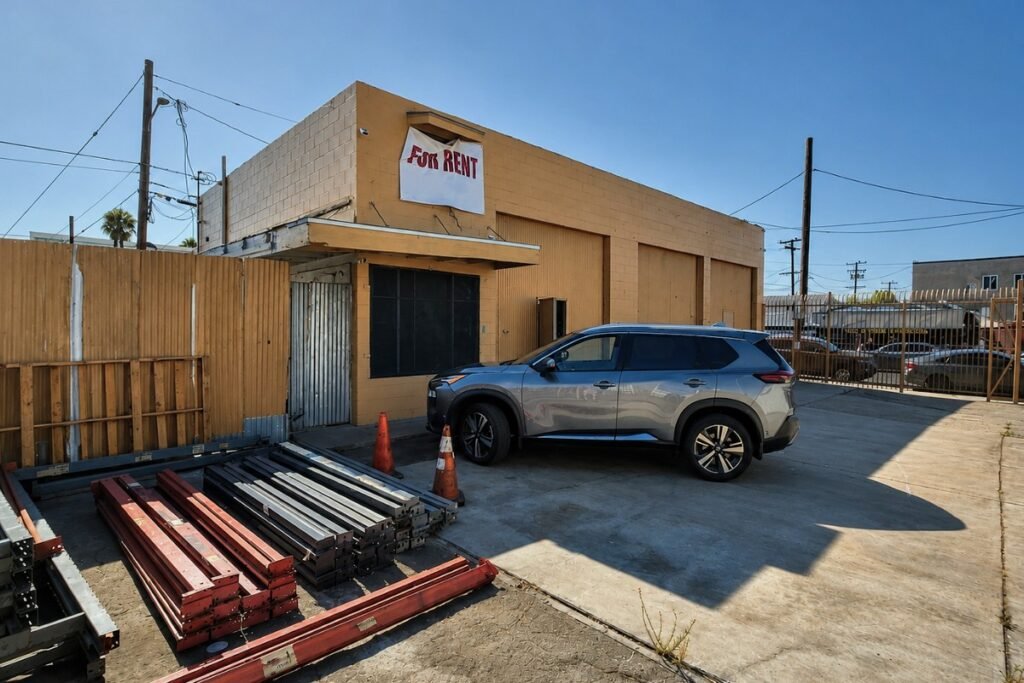
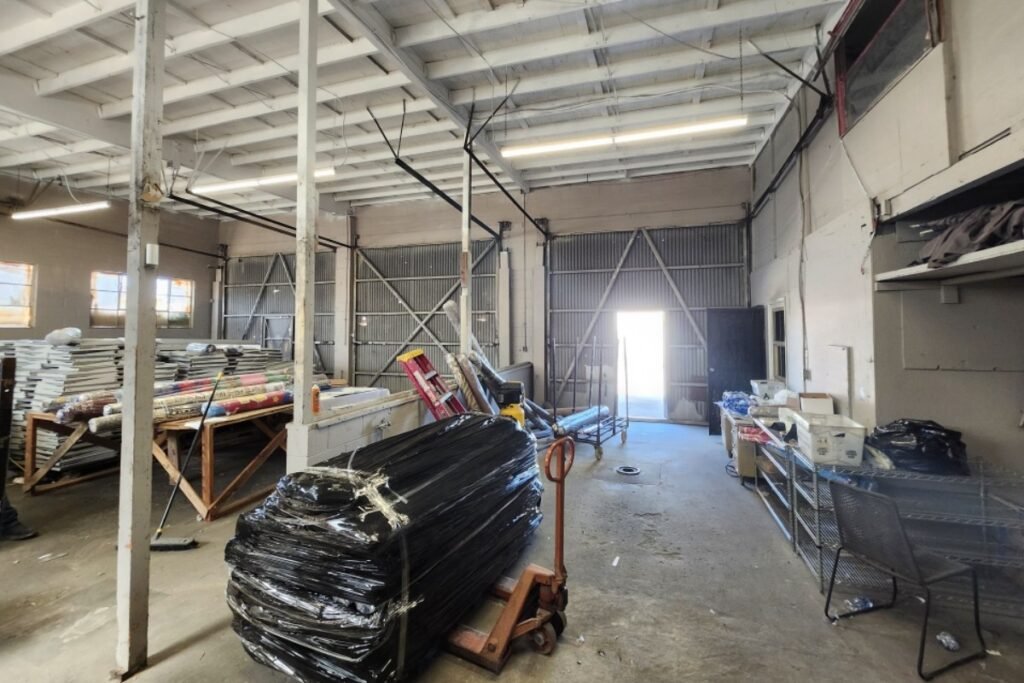
Architectural:
Structural (when applicable):
MEP:
Specialty (by project type):
Permit timelines don’t pause because your lease started.
In most California cities, commercial TI plan check takes 4 to 8 weeks for a standard submission longer in Los Angeles and San Francisco, shorter in smaller jurisdictions. If the city sends a correction notice, add another 2 to 4 weeks for the resubmission cycle.
On a typical retail or food service TI, a first-submission approval means your contractor can start work 6 to 10 weeks after you submit drawings. A correction cycle pushes that to 10 to 16 weeks or more.
We build TI drawing sets with plan check in mind not just what looks complete on the surface, but what the reviewer is actually going to check.
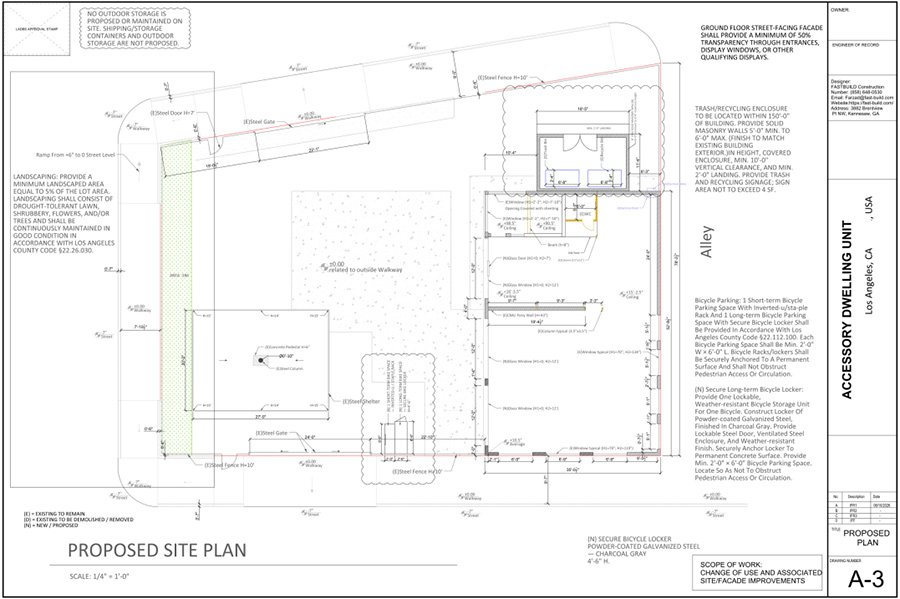
We prepare the full TI drawing set architectural, structural where needed, and MEP coordinated across all disciplines before submittal. For food service projects, we also prepare the health department submittal package.
We prepare the full TI drawing set architectural, structural where needed, and MEP coordinated across all disciplines before anything goes to the city. For food service projects, we also prepare the health department submittal package.
We submit to the building department (and health department where applicable) and manage the plan check process through approval.

Standard TI plan check in most California cities takes 4 to 8 weeks. Los Angeles typically takes longer 8 to 12 weeks is common for a full plan check. A clean first submission is the best way to avoid adding a correction cycle on top of that.
Most leases require landlord approval of TI plans before permit submittal. We can prepare drawings for landlord review first, then submit to the city once approved.
Yes. For restaurant and food service TIs, we prepare both the building department and health department submittals. The two processes run concurrently in most jurisdictions, and the drawing sets need to be coordinated.
That’s a situation we encounter regularly. Unpermitted work in an existing TI space needs to be addressed as part of the new permit either legalized with as-built drawings or removed. We assess the existing conditions and advise on the most efficient path forward.
Yes. We’ve prepared TI drawings in Washington and other states. Requirements vary by jurisdiction and we approach each project based on the applicable local code.
A TI is specifically work within an existing leased commercial space. The permit process is similar to other commercial permits, but TIs have specific considerations around change of use, ADA path of travel, and landlord coordination that make them their own category.
Book a free consultation and get expert guidance on your project, timeline, and permit requirements.
Book a free consultation and get expert guidance on your project, timeline, and permit requirements.
From architectural plans to structural engineering and permit documents, Fast Build can help turn your idea into buildable plans.
Adding {{itemName}} to cart
Added {{itemName}} to cart