Most roofing contractors can replace shingles or fix a leak. What they can’t do is tell you whether the structure underneath is sound or design a new roof system that meets California’s building codes and will actually get a permit approved.
That’s where we come in.
At Fast-Build, our roof service is focused specifically on the structural and engineering side: designing roof systems, preparing PE-stamped structural drawings, and producing the permit-ready documentation that your contractor, your city, and your insurance company need. We’ve worked on both residential and commercial roof projects across California everything from single-family home additions and garage roof redesigns to commercial building roof structures.
If you’re planning a roof change, dealing with structural damage, or trying to get a permit for roof work that’s already been done this is the service you need.
We want to be clear about the scope here, because it matters for how you plan your project.


We design and document the structure. Your roofing contractor builds it. That separation is intentional it keeps the engineering objective and ensures the drawings reflect what’s actually structurally correct, not what’s easiest to build.
A lot of homeowners and contractors are surprised to find out that many types of roof work require structural drawings and a building permit in California. Here are the most common situations where our services come in:
Changing from a flat roof to a pitched roof, modifying the slope, or altering the overall roof form requires structural analysis and new framing drawings. The city needs to verify the new structure can handle the loads.
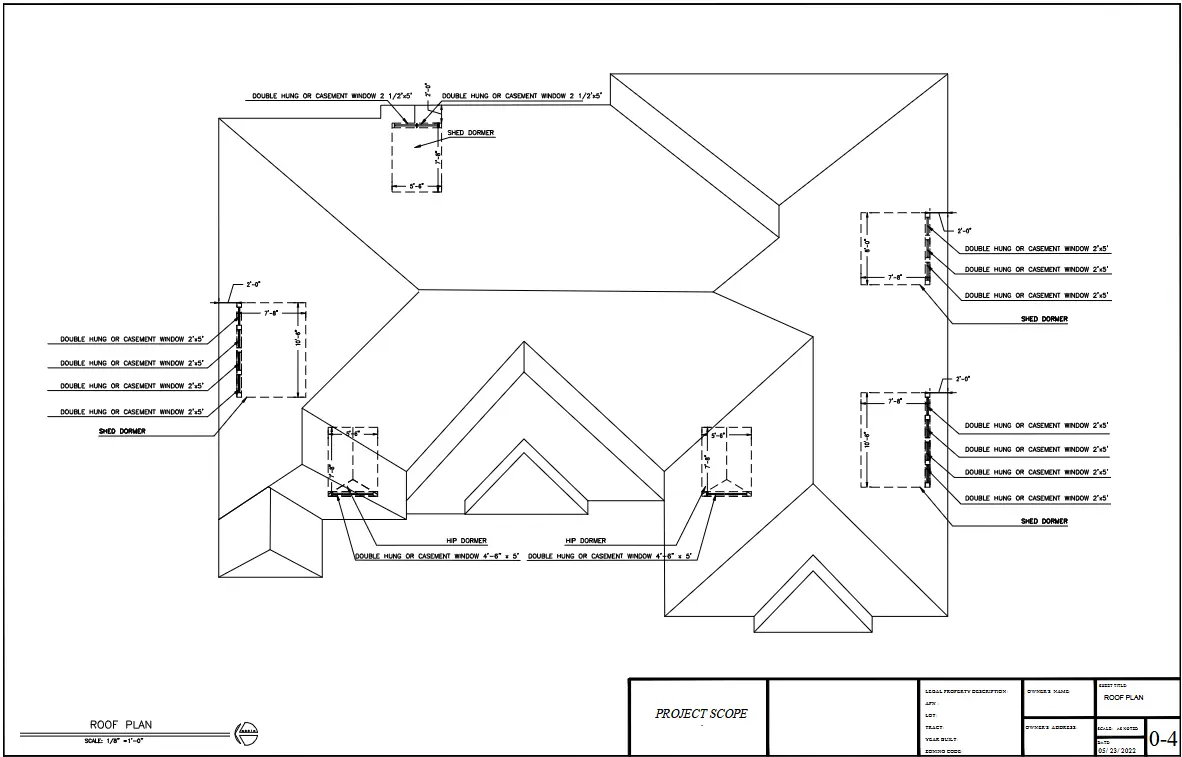
Converting attic space, adding a dormer, or building under an existing roof changes the structural demands on the system. Structural drawings are required, especially when preparing additional dwelling unit plans that must comply with California building codes.
Any addition to a home involves designing a new roof section that ties into the existing structure correctly. This needs to be documented and permitted.
If a roof has been damaged storm, age, improper installation, or deferred maintenance and the damage is structural (rafters, ridge beam, sheathing), repair drawings are typically required before a permit will be issued for the work.
If roof modifications were made without a permit and you’re now trying to sell the property or permit other work, as-built drawings and a structural assessment are usually required to legalize it.
New commercial construction, tenant improvements involving roof penetrations, and rooftop equipment installations often require structural documentation as part of the permit package.
We work across the full range of common residential and commercial roof types in California:
- Gable roofs
- Hip and hipped roofs
- Flat and low-slope roofs
- Shed and lean-to roofs
- Mansard roofs
- Combination and complex roof geometries
- Conventional stick framing (rafter and ridge construction)
- Roof truss systems
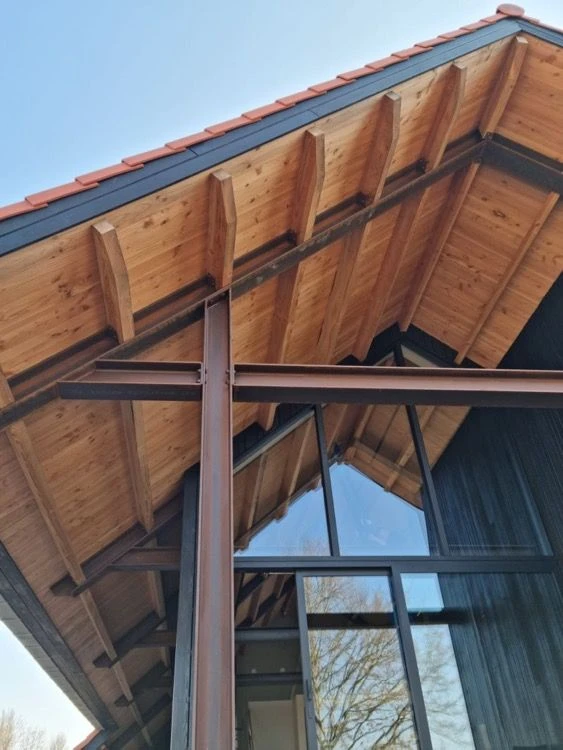
- Engineered lumber systems using LVL ridge beams and headers
- Flat roof structural systems with built-up framing
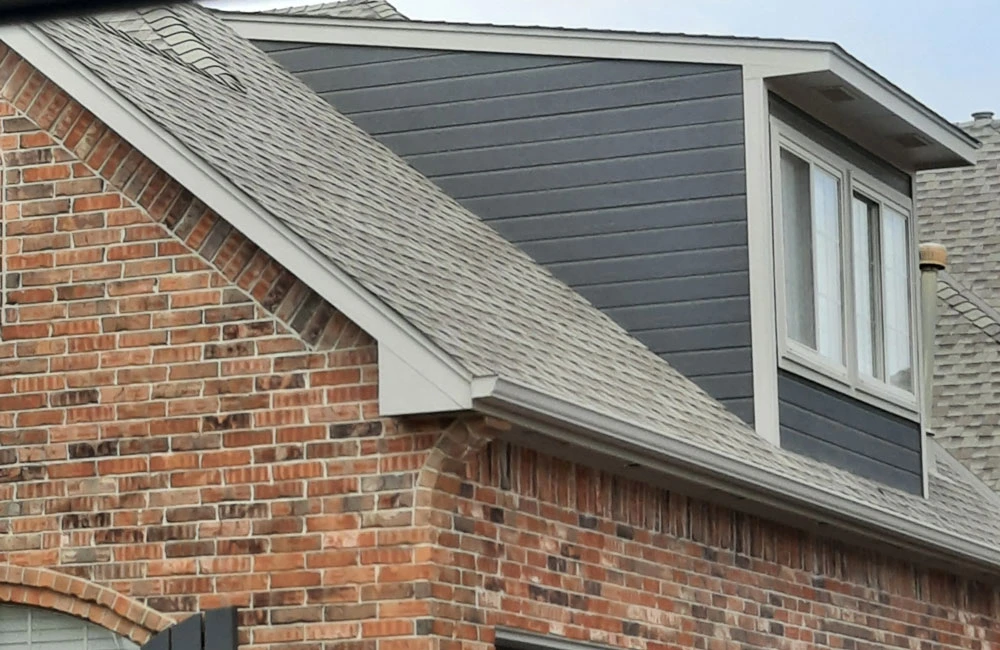
- Asphalt shingles (most common residential)
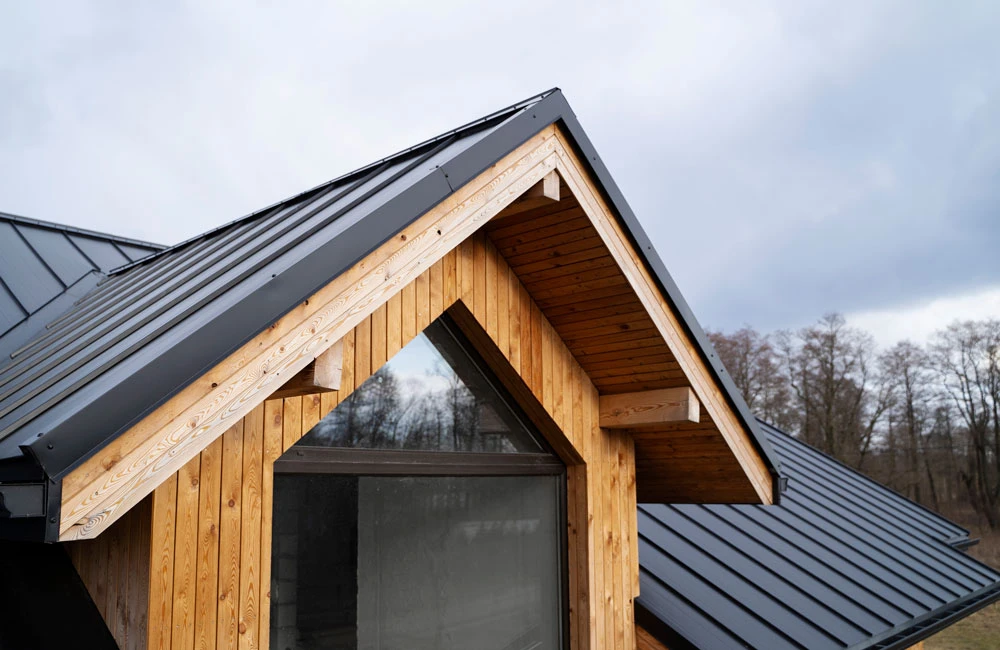
- Metal roofing
- Tile and concrete tile (common in California significantly heavier, requires careful structural consideration)
- EPDM and TPO membrane (flat roofs)
- Cool roof and energy-reflective assemblies per Title 24
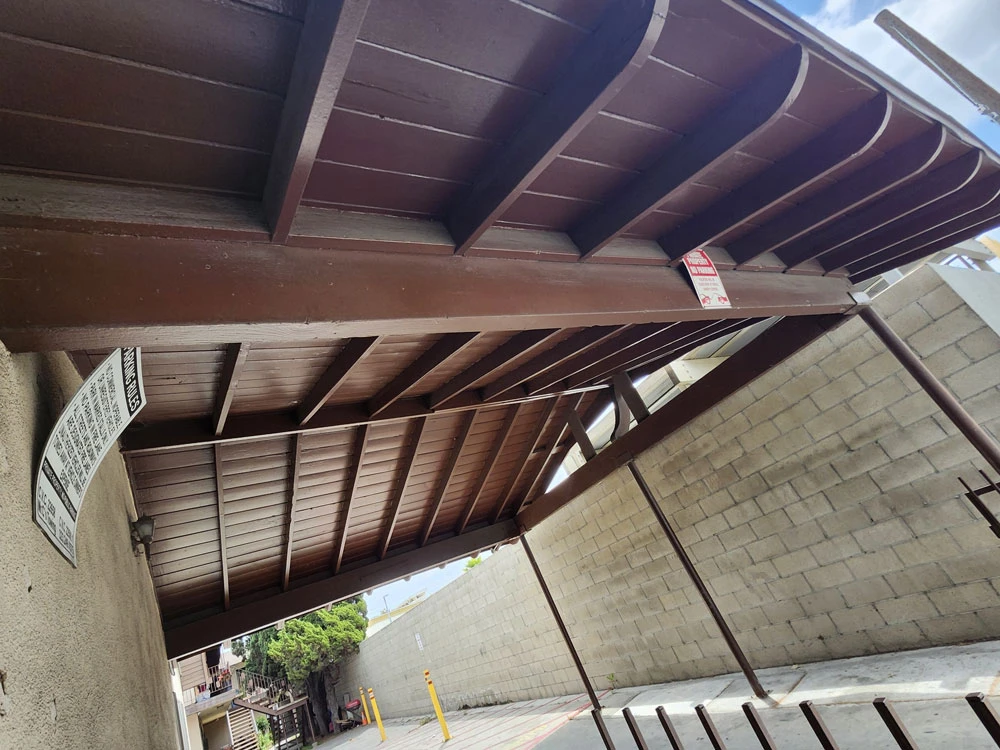
California’s building environment adds layers of complexity that most other states don’t have to deal with.
Seismic loads — Roof structures in California are designed for lateral seismic forces, not just vertical gravity loads. A roof that would be structurally fine in most of the country may not meet California’s seismic requirements without specific detailing.
Wind and fire zones — Coastal and hillside properties often fall in high-wind zones. Parts of Southern California are in Very High Fire Hazard Severity Zones (VHFHSZ), which affect both material requirements and how the roof connects to the rest of the structure.
Title 24 energy compliance — Roof assemblies are a significant factor in California’s Title 24 energy calculations. Insulation values, cool roof requirements, and attic ventilation all need to be documented as part of the permit package. A well-coordinated roof design also contributes to a more energy-efficient home, especially when mechanical and insulation systems are designed together.
Heavy tile loads — Concrete and clay tile roofs are extremely popular in California, but they’re also significantly heavier than asphalt shingles. Replacing a shingle roof with tile or redesigning a roof to carry tile requires structural verification that the framing can handle the added load.
We design with all of these factors in mind. Not because it’s required on paper, but because that’s what it takes to build something that actually performs in California’s conditions.
We start by reviewing the existing conditions whether that’s existing drawings, photos, site measurements, or a combination. For repair and renovation projects, understanding what’s there now is as important as understanding what you want to build. We identify any structural concerns early so there are no surprises mid-permit.
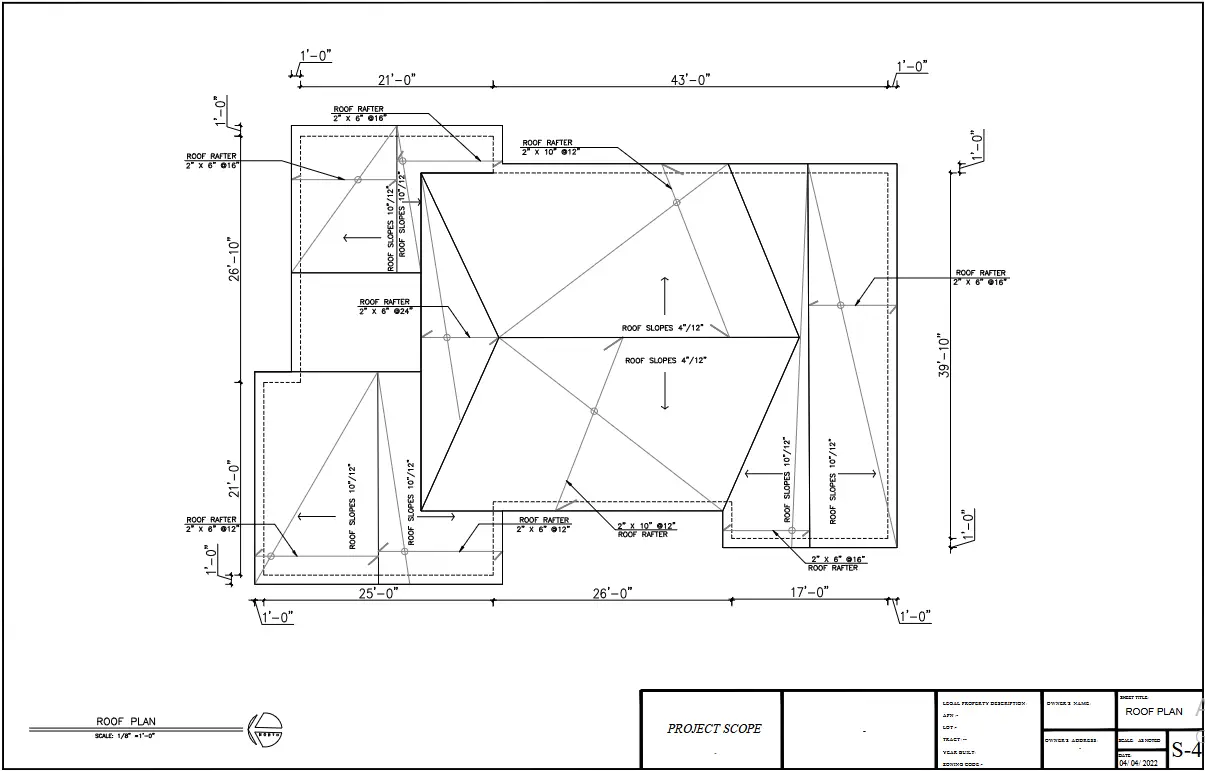
We develop the roof structural design framing layout, member sizing, connection details, and load calculations in compliance with current California building codes. For projects requiring a PE stamp, our licensed structural engineer reviews and stamps the drawings.
The drawing set includes everything the city needs for plan check: roof framing plans, structural details, load calculations, and any required notes for energy compliance or fire resistance.
We submit the drawings to the building department and manage the plan check process. If the city comes back with comments or requests for additional information, we respond and update the drawings until the permit is issued. If you're wondering why building permits get rejected, understanding the most common plan review issues can help you avoid unnecessary delays.
Roof structural issues have a way of compounding when they’re not addressed properly. A ridge beam that’s undersized, rafters that span too far without support, or connections that don’t meet current seismic requirements these aren’t just code violations. They’re things that cause real problems over time: sagging, cracking, and in severe cases, structural failure.
We’ve worked on projects where a homeowner or contractor skipped the structural analysis to save money upfront, and the city flagged it during an inspection or a future permit application. Getting it right the first time is almost always less expensive than going back to fix it later.

If you’re replacing like-for-like same material, same framing, no changes to the structure many jurisdictions allow a roofing permit without structural drawings. But if you’re changing materials (especially to heavier tile), modifying the pitch, adding skylights, or making any structural changes, drawings are typically required. We can tell you what your specific city will need based on your project scope.
Yes. We regularly coordinate with contractors to make sure the structural drawings match what they’re planning to build.
If your contractor has questions about the drawings during construction, we’re available to answer them.
For most residential projects, we can deliver a first draft within 1 to 2 weeks depending on complexity. Commercial projects and more complex roof geometries may take longer. We’ll give you a specific timeline after reviewing your project.
Yes. Send us photos and whatever information you have about the damage and the existing structure. We’ll assess what’s needed and provide repair drawings and calculations that the city can use to issue a permit for the repair work.
Yes. We work on both. The structural requirements differ significantly between residential and commercial, but the process is the same assess, design, document, and permit.
Book a free consultation and get expert guidance on your project, timeline, and permit requirements.
Book a free consultation and get expert guidance on your project, timeline, and permit requirements.
From architectural plans to structural engineering and permit documents, Fast Build can help turn your idea into buildable plans.
Adding {{itemName}} to cart
Added {{itemName}} to cart